
Premium nail care and lash beauty services in the heart of Las Vegas.
Our location
4080 Paradise Rd, Suite 150, Las Vegas, NV 89169
Talk with us
Visit us online
- October 12, 2026
- By: Marvelous Nails & Lashes
- Blog
- russian manicure
- manicure
- cuticle care
Does a Russian Manicure Hurt? What You Should Feel
A Russian manicure should not hurt. Learn what normal feels like, the warning signs of over-filing, and the questions to ask before an e-file touches your cuticles.
Table of Contents
- Does a Russian Manicure Hurt?
- What You Should and Should Not Feel
- Why Some Russian Manicures Do Hurt
- What Dermatologists Say About Cuticles
- Questions to Ask Before You Book
- Aftercare: The First 48 Hours
- Frequently Asked Questions
TL;DR
- A Russian manicure should not hurt. Expect light vibration, mild warmth and pressure, not stinging, burning or bleeding.
- Pain usually means one of three things: too much heat from the e-file, a bit cutting into living skin, or nails filed too thin.
- Say "stop" the moment it stings. A good technician lightens the pressure or changes the bit straight away.
- Dermatologists advise against cutting the living cuticle, so the safest version removes only dead, detached skin.
- Ask about bits, sterilisation and the technician's licence before you book.
`do russian manicures hurt` and `does a russian manicure hurt` are two of the most-searched questions about this service, and the honest answer is short: it should not. This guide explains what normal feels like, what causes pain when it happens, and how to choose a technician who keeps it comfortable.
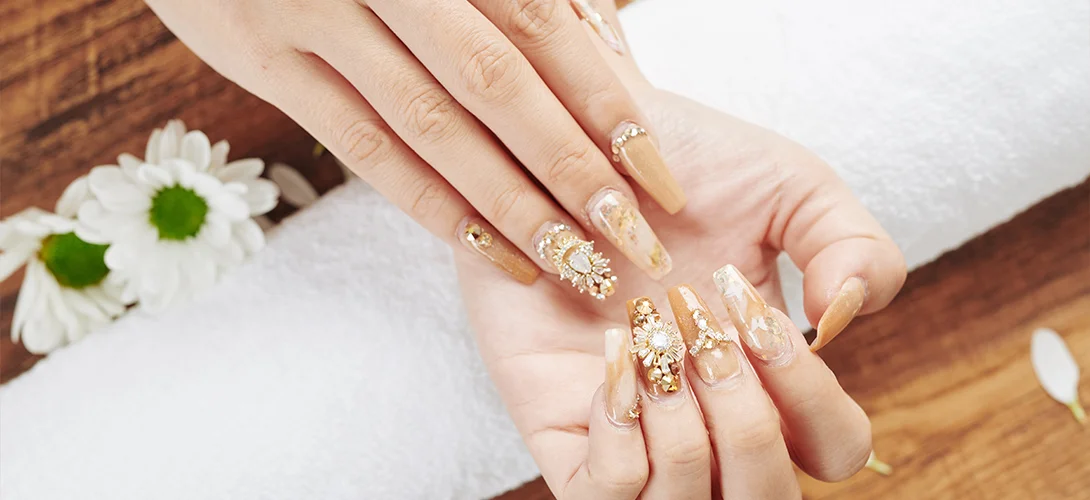
Does a Russian Manicure Hurt?
A Russian manicure should not hurt. It is a dry manicure in which the technician uses an electric file (e-file) with small rotating bits to lift and remove dead skin around the nail, then applies gel very close to the cuticle line. Normal sensations are light vibration, gentle pressure and brief warmth. Stinging, burning, or any bleeding means the work has gone too deep.
The short version: discomfort is a technique problem, not a feature of the service. If it hurts, the technician needs to adjust, and you are entitled to ask them to.
1. What You Should and Should Not Feel
People who have only had soak-and-push manicures are often surprised by the sound and buzz of an e-file. That part is normal. The table below separates the expected from the warning signs.
| Sensation | Normal? | What it means |
|---|---|---|
| Light buzzing or vibration through the fingertip | Yes | The e-file is running at a working speed |
| Gentle pressure around the nail fold | Yes | The bit is lifting dead skin from the nail plate |
| Brief warmth that fades within a second or two | Yes | Normal friction from a moving bit |
| Sharp heat that makes you pull your hand away | No | Too much speed or pressure in one spot |
| Stinging at the edge of the cuticle | No | The bit is touching living skin |
| A pinprick of blood | No | Living tissue has been cut; work should stop on that finger |
| Nails that feel thin, bendy or sore the next day | No | The nail plate has been over-filed |
A useful rule: you should be able to relax your hand on the cushion for the whole service. If you are bracing, flinching or holding your breath, tell the technician.
2. Why Some Russian Manicures Do Hurt
When people report pain, it almost always traces back to one of four causes.
1. Heat spikes. An e-file generates friction heat. Holding the bit in one place too long, or running it too fast, creates a sharp burning feeling. Skilled technicians keep the bit moving and lift it off frequently.
2. Cutting into living skin. The goal is to remove the thin layer of dead tissue stuck to the nail plate (the true cuticle), not the living nail fold behind it. Going past that line stings and can bleed.
3. Over-filing the nail plate. Filing the surface to help gel stick is normal; filing it thin is not. A thinned nail feels sore under pressure and can stay sensitive for days.
4. Nippers used too aggressively. Many Russian manicures finish with small nippers to trim lifted skin. Trimming only what is already detached is fine; pulling at attached skin is where small cuts happen.
What this means for you: the service is only as gentle as the person holding the file. That is why the questions in section 4 matter more than the name of the service on the menu.
3. What Dermatologists Say About Cuticles
This is the part most Russian manicure guides skip. The American Academy of Dermatology (AAD) is cautious about cuticle removal of any kind.
- In its manicure and pedicure safety tips, the AAD says: "To prevent infection, never cut or forcefully push back your cuticles."
- Its healthy nail tips advise people not to bite fingernails or remove the cuticle, because doing so can damage the nail.
How we read that advice. The cuticle is a seal between the nail and the skin. A Russian manicure done conservatively lifts and removes only dead skin that is already detached from the nail plate. A Russian manicure done aggressively removes living tissue, and that is the version that both hurts and raises the infection risk dermatologists warn about.
If you have a skin condition on your hands, are prone to infections around the nail, or are on medication that affects healing, ask your doctor before booking any manicure that involves cuticle work. In that situation a gentle classic or gel manicure without cuticle removal is the sensible choice.
Nevada's rules support the hygiene side. Under NAC 644A.740, as published by the Nevada State Board of Cosmetology, single-use items must not be used on more than one client and must be disposed of after use. Files and buffers fall into that category. Metal e-file bits are reusable only after cleaning and disinfection.
4. Questions to Ask Before You Book
The name "Russian manicure" covers a wide range of technique. These five questions sort careful technicians from rushed ones.
| Question | A good answer sounds like |
|---|---|
| "How long have you been doing e-file cuticle work?" | A specific answer, and willingness to go slower on a first visit |
| "Which bits do you use around the cuticle?" | Small, fine bits for the nail fold; coarser bits kept away from skin |
| "How are the bits cleaned between clients?" | Cleaned and disinfected after every client; single-use files and buffers thrown away |
| "Will you remove living skin or only dead skin?" | Only dead, detached skin |
| "What should I do if it stings?" | "Tell me straight away and I'll adjust" |
Check the licence too. Nevada licenses nail technicians and salons, and the AAD suggests checking that your technician is licensed. Our guide on how to check a nail tech licence in Nevada shows how, and the clean nail salon checklist covers what a hygienic station looks like.
On price. A Russian manicure is not a separate line on our published menu. Detailed manicure work is closest to the Marvelous Manicure ($65+) or a gel manicure ($55) with careful prep; tell us at booking that you want e-file cuticle work and we will confirm the price and time before we start. Our Russian manicure guide and the Russian vs regular manicure comparison explain the differences in more detail, and the add-ons price list covers extras such as shape changes.
5. Aftercare: The First 48 Hours
A well-done Russian manicure needs very little aftercare, but these habits keep the cuticle line neat and comfortable.
- Moisturise the cuticles daily with a cuticle oil or a plain hand cream. Las Vegas air is dry, and dry skin around the nail is what lifts and cracks first.
- Do not pick at the edges. If a small piece of skin lifts, leave it for your next visit rather than pulling it.
- Wear gloves for cleaning and dishes. Detergents dry out the nail fold.
- Watch for redness, swelling, warmth or pus. These are signs of infection. See a doctor if they appear; do not wait for your next manicure.
- Leave gel removal to the salon. The AAD warns that picking or filing off gel can significantly damage nails.
How often to repeat it. Most people rebook every two to three weeks, in line with gel regrowth. Because the cuticle line is cleaner, regrowth often looks tidier for longer, but it still grows out.
If your nails are already thin or damaged, skip the e-file work for a cycle and let them recover. Our damaged nails recovery guide explains what helps.
Frequently Asked Questions
Does a Russian manicure hurt?
No, a properly done Russian manicure should not hurt. Expect light vibration, gentle pressure and brief warmth from the e-file. Stinging, burning or bleeding means the technician has gone too deep and should stop or adjust.
Is it normal to bleed during a Russian manicure?
No. Even a pinprick of blood means living skin has been cut. Work on that finger should stop, the area should be cleaned, and the technician should take a gentler approach on the remaining nails.
Why did my Russian manicure burn?
Burning is usually a heat spike from the e-file running too fast or staying in one place too long. Tell the technician immediately; they can lower the speed, change the bit or lift off more often.
Is a Russian manicure safe?
It can be, when only dead skin is removed and tools are cleaned and disinfected between clients. The American Academy of Dermatology advises never cutting or forcefully pushing back cuticles, so choose a technician who works conservatively.
Does a Russian manicure damage your nails?
Not when done well. Damage comes from over-filing the nail plate or removing living cuticle. If nails feel thin or sore afterwards, the filing was too heavy.
How long does the cuticle line stay clean after a Russian manicure?
Most clients rebook every two to three weeks, in line with gel regrowth. The cleaner prep often keeps the cuticle area tidy for longer, but it still grows out.
Can I get a Russian manicure if I have sensitive skin?
Ask your doctor first if you have a skin condition on your hands or are prone to nail infections. A gentle classic or gel manicure without cuticle removal is often a better choice.
How much does a Russian manicure cost at Marvelous Nails & Lashes?
It is not a separate line on our published menu. Detailed manicure work is closest to the Marvelous Manicure ($65+) or a gel manicure ($55). Tell us at booking and we will confirm the price before we start.
What should I say if it hurts?
Just say "that stings" or "stop". A good technician will adjust straight away. You never need to sit through pain to get a neat result.
Book a Comfortable Manicure
Tell us at booking if you want e-file cuticle work, and tell your technician the moment anything stings. Comfortable is the standard, not the exception.
Marvelous Nails & Lashes, 4080 Paradise Rd, Suite 150, Las Vegas, NV 89169. Open Monday–Saturday 10:00 AM–10:00 PM, Sunday 10:00 AM–7:00 PM. Book online, call (702) 550-8855, or contact us.
Sources:
- American Academy of Dermatology — Manicure and pedicure safety tips, accessed 2026-10-11
- American Academy of Dermatology — Healthy nail tips, accessed 2026-10-11
- Nevada State Board of Cosmetology — Salon rules and regulations, accessed 2026-10-11

Marvelous Nails & Lashes
Our Las Vegas nail and lash team shares practical beauty guidance, salon care tips, and service recommendations for healthier, longer-lasting results.